
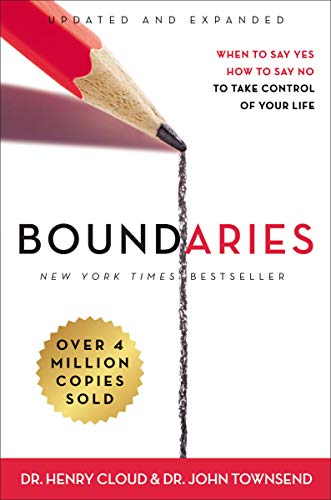
Look, we get it. When you’re going through a rough time with your spouse, it’s normal to feel hurt, confused, or have a need to talk it out. Processing is healthy. But there are two routes we can take: a helpful route that honors boundaries and an unhelpful route that builds resentment. There are differences between seeking healthy support and ranting about your spouse.
Over time, how, where, and who you vent to matters. Talking can feel relieving, but conflict should be worked through within your relationship. When we choose to vent to family members, friends, or coworkers, we risk breaking emotional loyalty. Emotional loyalty means protecting your partner’s dignity, even when you are upset.
Why Venting Skews the Story
Oftentimes, venting only highlights a one-sided view of the situation. Venting to friends and family can cause them to only hear the bad moments. They won’t see the relationship repair or the apology. This can cause a shift in how others view your spouse and how you view them, too.
Venting to others also creates an unhealthy habit of turning away from your partner and towards others. This is unhealthy, as it causes more resentment to build and breaks loyalty.
Healthy relationships require intention and boundaries, not isolation. There are moments when outside support is vital, especially in moments of emotional or physical abuse. But everyday frustrations and disagreements should not become public narratives.
Questions to Ask Before You Vent
Before venting, ask yourself:
- Have my spouse and I had a chance to sit down calmly to work this out?
- Am I looking for clarity or validation?
- Am I protecting their dignity in the way I am sharing?
Strong relationships are built on trust and growth. Trust happens when they know their partner is not broadcasting their conflicts to others. Choosing your spouse daily means handling problems with intention and care. It means guarding your relationship from becoming entertainment or casual conversation.
Seek wise counsel when needed. Guard your relationship from becoming the talk of the town. Emotional safety lives where loyalty lives. I encourage you to sit down with your spouse and discuss this boundary. Ask each other: How will we speak about each other in public? When we do need outside help, who can we turn to who will have both our best interests at heart?
Choosing each other during conflict deepens loyalty to one another. The next time you’re tempted to vent, pause. Ask yourself whether you’re protecting your relationship or slowly weakening it.